Stay Awake on Long Drives: Safe, Simple Checklist
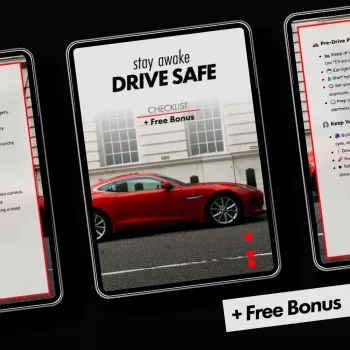
Stay Awake, Drive Safe: The Ultimate Checklist for How to Stay Awake on a Long Drive
Drowsy driving can creep up fast—especially on long, monotonous routes, late-night departures, or after a busy day. A safe trip starts with planning (sleep, timing, fuel, snacks) and continues with smart on-road habits (breaks, light, temperature, and knowing when to stop). Use the checklist below to reduce fatigue risk and make better decisions behind the wheel.
Why long drives make drivers sleepy
- Circadian dips: the body naturally gets sleepier overnight (roughly midnight–6 a.m.) and mid-afternoon (about 1–4 p.m.).
- “Highway hypnosis”: steady speed, low steering input, and repetitive scenery can reduce alertness even when eyes are open.
- Sleep debt adds up: a shorter night of sleep can impair reaction time and judgment in ways that are comparable to impairment from alcohol.
- Dehydration, heavy meals, and warm cabins can increase sluggishness and make eyelids feel heavy.
- Some medications and alcohol (even small amounts) worsen drowsiness and slow decision-making—always check labels and avoid mixing sedating meds with driving.
For more safety context and risk factors, review guidance from NHTSA and the CDC.
Before the trip: the non-negotiable checklist
- Sleep first: get a full night of sleep before departure; avoid starting a long drive after an already exhausting day.
- Plan real stops: build in planned stops every ~2 hours or 100 miles, plus backup rest areas in case fatigue hits early.
- Zero alcohol: avoid alcohol completely before driving; check medication labels for drowsiness warnings (including some allergy, cold, and motion-sickness meds).
- Pack smarter fuel: bring water and light snacks (fruit, nuts, simple protein) instead of relying on heavy, greasy meals.
- Set up the cabin: clean windshield, comfortable posture, and a temperature that stays slightly cool.
- Agree on safety rules: if traveling with others, assign driving shifts and adopt a “no debate” rule for pulling over when anyone feels unsafe.
If you want a printable, easy-to-follow version to keep on your phone or in your glove box, see Stay Awake, Drive Safe: The Ultimate Checklist for How to Stay Awake on a Long Drive.
On the road: the ultimate stay-awake checklist
- Stop at the first signs of fatigue: frequent yawning, heavy eyelids, missing exits, drifting in the lane, or not remembering the last few miles.
- Use the 2-hour rule: take a real break (get out, walk, stretch) rather than “pushing through.”
- Use strategic caffeine: small amounts can help; avoid overdoing it, and pair it with a short nap when needed for the best reset.
- Ventilation matters: keep the cabin slightly cool and switch air to fresh (not recirculate) if feeling stuffy.
- Choose stimulating audio: conversation with passengers, upbeat music, or engaging spoken content; avoid overly relaxing tracks late at night.
- Vary posture and focus: adjust seat position slightly, scan mirrors regularly, and keep a larger following distance to reduce surprise reactions.
- Eat light, not large: avoid heavy meals; split eating into smaller portions across the drive.
- Don’t trust “tricks”: blasting music or opening a window can buy a minute, but it doesn’t replace sleep or a real break once fatigue is present.
When caffeine helps—and when it backfires
Power nap protocol (the safest reset)
Quick-reference schedule for long drives
Long-Drive Alertness Plan (Example)
| Time/Distance | Action | Goal | Notes |
|---|---|---|---|
| Before departure | Sleep + hydrate + light meal | Start fully alert | Avoid alcohol; review medication labels |
| Every ~2 hours or 100 miles | 10–15 minute break out of the car | Reset attention and circulation | Walk, stretch calves/hips, drink water |
| Early afternoon or late-night stretch | Optional caffeine + planned stop | Prevent predictable slump | Caffeine needs 15–45 minutes to take effect |
| First fatigue signs | 15–25 minute power nap | Restore alertness safely | Nap in a safe location; set an alarm |
| After nap | Short walk + water | Reduce grogginess | Wait a few minutes before re-entering fast traffic |
| If fatigue persists | End driving for the day | Avoid high-risk driving | Book lodging or switch drivers |
Tech and driving tactics that support alertness (but don’t replace rest)
When to stop immediately
For additional research on the risks and outcomes of drowsy driving, see the AAA Foundation.
Helpful trip-planning picks
- Stay Awake, Drive Safe: The Ultimate Checklist for How to Stay Awake on a Long Drive (digital checklist you can reference before and during the trip).
- Am I Perfect No Spiral Notebook – Funny Notebook – Best Design Notebook (a simple place to jot down rest-stop targets, driving shifts, and emergency contacts).
- Flying Solo: The Ultimate Guide to Mastering Solo Sports (useful for building sustainable solo habits—especially if you do long solo travel and want more structure around energy and pacing).
FAQ
What are the first signs of drowsy driving?
Frequent yawning, heavy eyelids, trouble focusing, drifting in your lane, missing exits, and not remembering the last few miles are common early warnings. Pull over at the first signs—waiting for “one more town” is when errors start.
Is coffee enough to keep someone awake on a long drive?
Coffee can help, but it takes about 15–45 minutes to kick in and it can’t replace sleep. If you’re already tired, the safest approach is a 15–25 minute nap (optionally paired with caffeine) rather than relying on another cup.
How often should drivers take breaks on a road trip?
A solid baseline is about every 2 hours or 100 miles, plus earlier if you feel even mild sleepiness. Make it a real break—get out, walk a bit, stretch, and drink water.











Leave a comment
You must be logged in to post a comment.