5 Car Must-Haves for Safety, Power & Organization
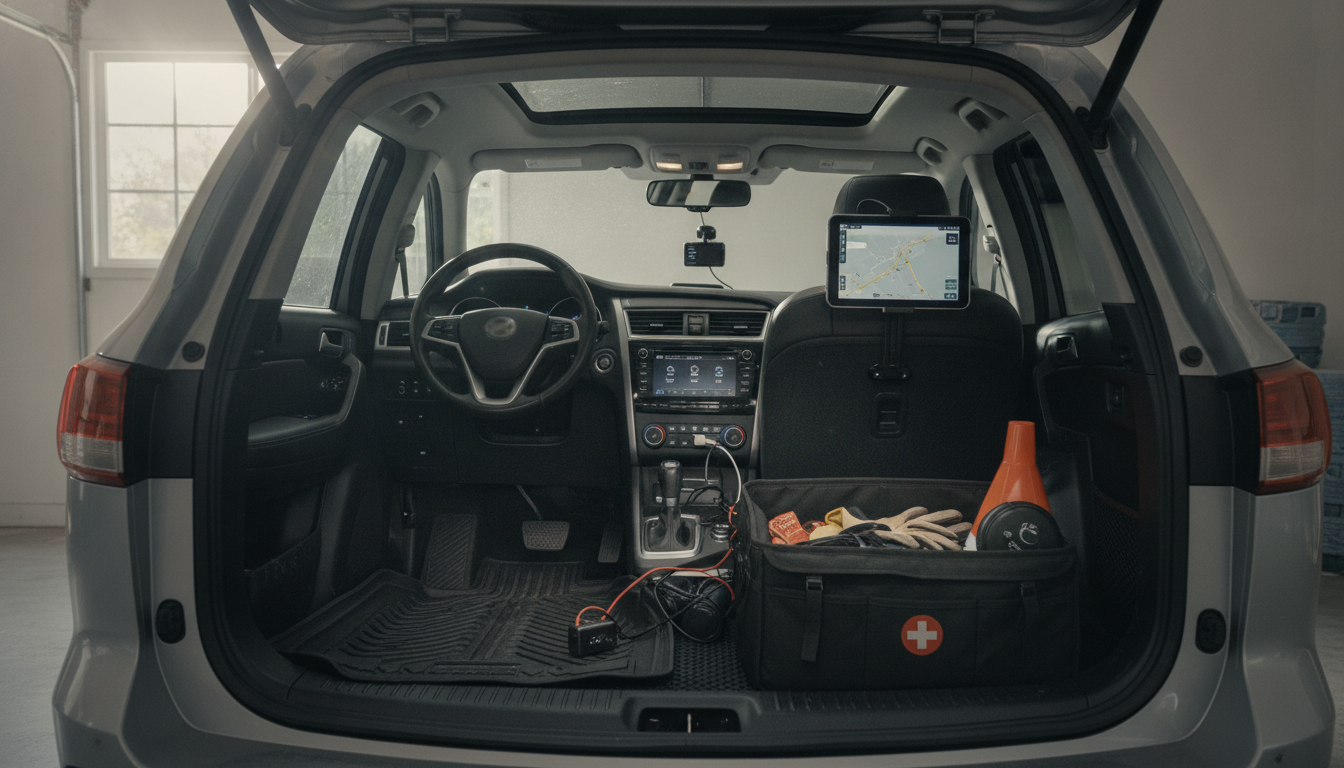
Top 5 Must-Haves for a Smart, Safe, Organized Car
A well-prepared car setup reduces stress, saves time during everyday errands, and helps handle surprises like dead batteries, flat tires, or sudden weather changes. The goal isn’t to pack your trunk like a survival bunker—it’s to keep a compact set of essentials that solve real problems quickly, stay easy to access, and don’t create clutter.
Below are five practical must-haves, plus storage ideas and a simple maintenance routine so your vehicle stays ready year-round.
What “car must-haves” should actually do
- Solve common problems fast: minor breakdowns, low visibility, small injuries, dead phone, messy spills.
- Improve safety and compliance: support roadside visibility and basic emergency response.
- Stay organized: compact storage so gear is reachable without turning the cabin into a catch-all.
- Work for daily driving and longer trips: a small core kit plus optional add-ons for climate and driving style.
- Be easy to maintain: simple monthly checks for expiration dates, charge levels, and missing pieces.
For broader emergency-prep guidance, you can also reference organizations like AAA and NHTSA to stay aligned with common roadside safety recommendations.
Must-have #1: Roadside safety and visibility kit
If you ever need to stop on the shoulder, visibility is the difference between “inconvenient” and “dangerous.” A small visibility kit helps other drivers see you sooner and gives you light to work safely.
- Reflective warning triangles or LED road flares to increase visibility if stopped on the shoulder.
- High-visibility vest and gloves so you’re more noticeable during nighttime or bad weather.
- Flashlight or headlamp with spare batteries; a waterproof model is especially useful in winter/rain.
- Basic roadside information card (insurance, emergency contacts, vehicle details) stored in the glove box.
- Storage tip: keep this kit in a dedicated pouch near the trunk opening so it’s reachable without unloading everything.
| Item | Why it matters | Where to store |
|---|---|---|
| Reflective triangles / LED flares | Warns approaching traffic | Trunk side pocket |
| High-vis vest | Improves driver visibility | Driver door pocket |
| Flashlight/headlamp | Hands-free light for tire checks | Glove box |
| Work gloves | Protects hands during roadside tasks | Trunk kit pouch |
Must-have #2: Tire and basic tool essentials
Tire issues are among the most common road interruptions. The best approach is “inflate first,” then decide whether you can safely continue, patch temporarily, or call for a tow.
- Tire pressure gauge and a portable inflator; check pressure when temperatures swing.
- Tire plug kit (for tubeless tires) as a backup, plus knowledge of when a tow is safer.
- Jumper cables or a compact jump starter; ensure it’s rated for the vehicle’s engine size.
- Multi-tool or small tool roll (screwdriver bits, adjustable wrench, zip ties, duct tape).
- Storage tip: separate “messy” items (tape, zip ties, gloves) from clean items using small zip pouches.
Practical rule: if you’re on a narrow shoulder, visibility is poor, or traffic is fast, prioritize getting to a safer spot and contacting help over attempting a repair on the roadside.
Must-have #3: First-aid and personal safety
A car first-aid kit should be compact, complete, and easy to grab. Think of it as a “quick response” kit for minor cuts, blisters, or the first minutes of a more serious situation.
- A compact first-aid kit with bandages, antiseptic wipes, gauze, tape, and blister care.
- Medications and specialty items tailored to passengers (allergies, inhaler, EpiPen storage plan, etc.).
- Emergency blanket for cold conditions; add an instant cold pack for sprains in warm months.
- Hygiene basics: hand sanitizer, wet wipes, and a small trash bag roll.
- Maintenance tip: review kit contents every 3–6 months and replace expired items.
For a solid baseline of what to include, the American Red Cross first aid kit checklist is a helpful reference.
Must-have #4: Power, communication, and navigation backups
A dead phone can turn a minor delay into a major problem. Build redundancy so you can call, charge, and navigate even if you can’t run the engine for long.
Must-have #5: Clean-and-calm organization kit
| Zone | What goes there | Rule to keep it tidy |
|---|---|---|
| Driver area | Charging cable, sunglasses, sanitizer | Nothing loose under pedals |
| Glove box | Docs, flashlight, pen, wipes | Flat items only; no bulky gear |
| Center console | Daily-use items | One-layer limit |
| Trunk bin | Tools, inflator, safety kit | All items must fit inside the bin |
How to keep essentials updated without overpacking
A ready-to-use checklist for stocking and maintaining your car
- Car Musts – Digital Checklist | Top 5 Must Haves in a Car | Smart, Safe & Organized Vehicle Essentials Guide (digital download) is an easy way to track what’s in your trunk bin and what needs replacing after trips.
- If you prefer a simple paper log for maintenance notes (tire pressure checks, battery/jump starter charge dates, restock reminders), keep a small notebook in the glove box like the Am I Perfect No Spiral Notebook – Funny Notebook – Best Design Notebook.
FAQ
What should always be kept in a car for emergencies?
Keep visibility items (triangles or LED flares, a high-vis vest, and a flashlight), a way to add tire air (pressure gauge and inflator), a jump solution, basic first aid, and reliable charging/power. Store them together in a single trunk bin or pouch so they’re easy to grab, and do a quick check every few months.
How often should a car emergency kit be checked?
Do a quick monthly check for missing items and charge levels (power bank and jump starter). Every 3–6 months, review expiration dates, replace worn supplies, and swap seasonal add-ons.
How can a small car stay organized with essentials inside?
Use clear zones (driver area, glove box, console, and one trunk bin) and stick to a “one container” rule for emergency gear. Add a mini trash setup and do a weekly 2-minute reset to keep clutter from building up.