Pet-Safe Houseplants: A Quick Guide for Cats & Dogs
Leafy Friends & Furry Friends: Keeping Pets Safe Around Houseplants
Houseplants can brighten a home, but curious dogs and cats may chew leaves, dig in soil, or drink from saucers. A safer indoor jungle comes from pairing the right plant choices with smart placement, quick identification habits, and a clear response plan if a pet gets into something questionable. Use this guide to reduce common risks, spot warning signs early, and create a simple routine that keeps both greenery and pets thriving.
Why pets get into plants (and what that means for safety)
Most plant “incidents” start with normal pet behavior, not bad training. Understanding the why makes prevention easier and more consistent.
- Natural curiosity: cats bat at dangling fronds; dogs explore by mouthing and chewing.
- Boredom and enrichment seeking: digging in pots, shredding leaves, and knocking over planters can be self-entertainment.
- Taste and texture attraction: soft new growth, grassy blades, or crunchy stems can be appealing.
- Scent triggers: potting soil, fertilizers, and compost can smell like food to dogs.
- Water sources: dripping trays and saucers may entice pets even when water bowls are full.
- Young pets and new rescues: they often test boundaries, making early prevention especially important.
Common household plant hazards beyond “toxic vs. non-toxic”
Toxicity lists matter, but everyday plant setups can create additional risks even with “pet-friendly” varieties. A quick scan of the whole system—plant, pot, soil, and products—catches many avoidable problems.
- Mild-to-moderate irritants: some plants can cause mouth irritation, drooling, vomiting, or diarrhea even if not life-threatening.
- Mechanical hazards: thorns, spines, sharp leaf edges, and woody stems can injure mouths and paws.
- Soil and pot risks: perlite, moss, bark chunks, and swallowed stones can cause choking or GI upset.
- Fertilizers and pesticides: concentrates, systemic granules, and some sprays may be more dangerous than the plant itself if licked or ingested.
- Mold and fungus gnats: overwatered soil can grow mold or attract pests that prompt extra chewing and scratching.
- Vases and decorative mulch: small pebbles, glass marbles, and similar décor can be swallowed.
For a fast toxicity check when choosing or identifying plants, use authoritative databases like ASPCA: Toxic and Non-Toxic Plants and Pet Poison Helpline: Plant Poisoning.
Set up a pet-safe plant zone: placement, barriers, and routines
Pet-safe plant care is mostly environment design. The goal is to reduce opportunities for chewing, digging, and drinking—especially when no one is watching.
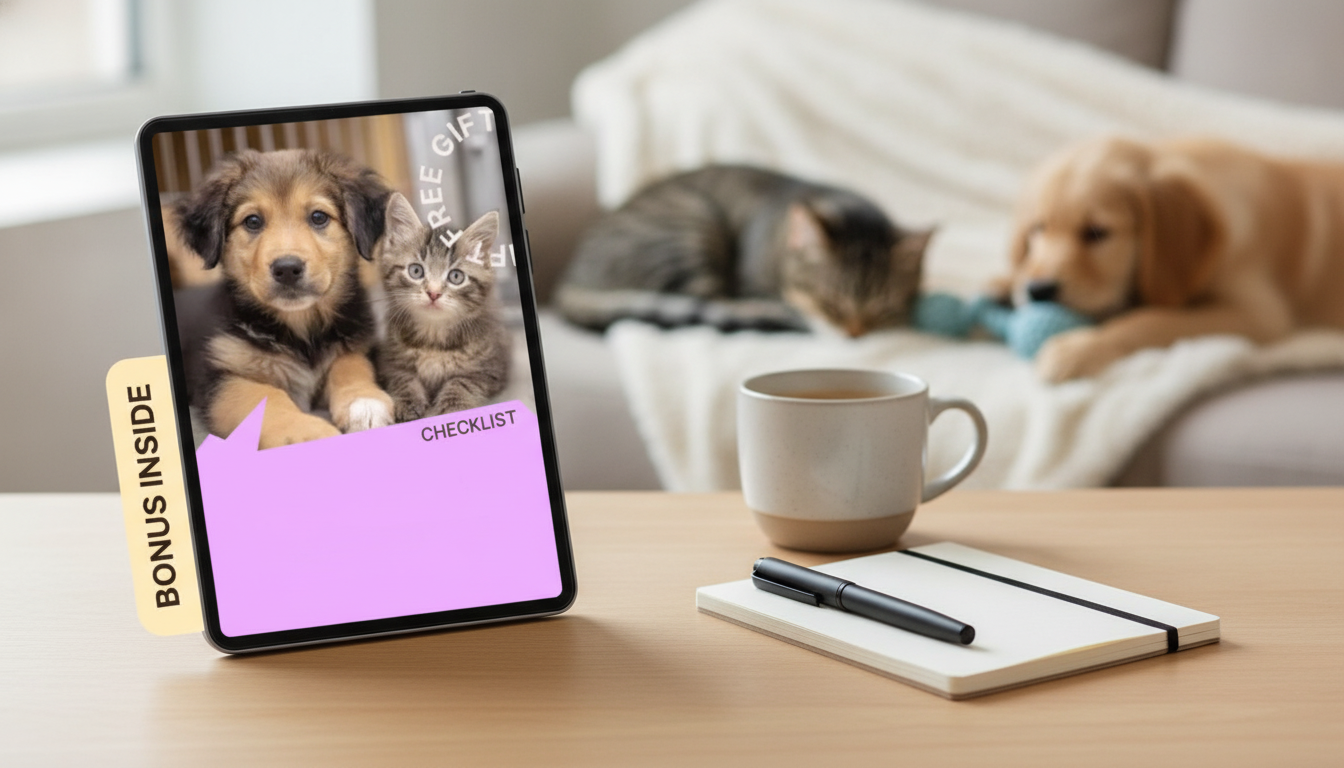
If you want a ready-to-use system for plant placement, labeling, and weekly checks, Leafy Friends & Furry Friends: Keeping Pets Safe Around Houseplants | Pet-Safe Plant Guide, Digital Download, eBook for Dog & Cat Owners, Indoor Plant Safety Checklist combines a practical guide with a printable-style routine you can keep on the fridge.
Fast identification: know what you own before there’s a problem
For an easy way to keep a running plant inventory (names, dates, pet reactions, and where each pot lives), a dedicated tracker helps. Some households use Am I Perfect No Spiral Notebook – Funny Notebook – Best Design Notebook as a simple, grab-and-go plant and pet log near the watering can.
Indoor plant safety checklist (printable-style quick scan)
| Check | What to look for | Fix |
|---|---|---|
| Plant ID is known | No “unknown” pots or cuttings | Label with common + scientific name |
| Access is controlled | Pets can reach leaves/soil | Move higher, gate off, or use barriers |
| Soil surface is safe | Loose pebbles, moss, perlite, compost smells | Use large rocks/mesh; store soil sealed |
| Water trays are empty | Standing water in saucers | Empty and rinse trays |
| No chemical residues | Recent pesticide/fertilizer use | Use pet-aware products; isolate during treatment |
| Plant is intact | Chewed leaves, missing stems, knocked-over pots | Remove damaged parts; relocate plant; increase enrichment |
| Propagation is secured | Cuttings in cups/jars within reach | Place in closed cabinet or high shelf |
| Decor is pet-safe | Bouquets, lilies, holiday plants | Confirm safety before display; keep out of reach |
If a pet chews a houseplant: what to do right away
A practical guide for dog and cat owners: keep plant love and pet safety in balance
For broader pet-safety basics (including safe handling and storage habits around animal products), the FDA Animal Health Literacy hub is a helpful reference.
FAQ
Which houseplants are most dangerous for cats and dogs?
Risk varies by species and pet size: some plants cause mild GI upset, while others can become true emergencies. Confirm the exact plant using scientific names and check authoritative databases; lilies are a critical risk for cats, and any exposure should prompt rapid veterinary contact.
What should be done if a dog or cat eats an unknown plant?
Remove access immediately, save a sample or take clear photos, estimate how much was eaten and when, and monitor for symptoms. Call a veterinarian or poison hotline right away with your pet’s weight, current signs, and any product details from the pot or soil; don’t induce vomiting unless instructed.
Are fertilizers and pest sprays safe around indoor pets?
Many products can be irritating or toxic if licked, inhaled closely, or ingested—sometimes more so than the plant itself. Store concentrates securely, follow label directions, isolate treated plants until fully dry or as directed, and avoid DIY essential-oil mixes, especially around cats.