Road Trip Checklist: Car Prep, Packing, and Planning
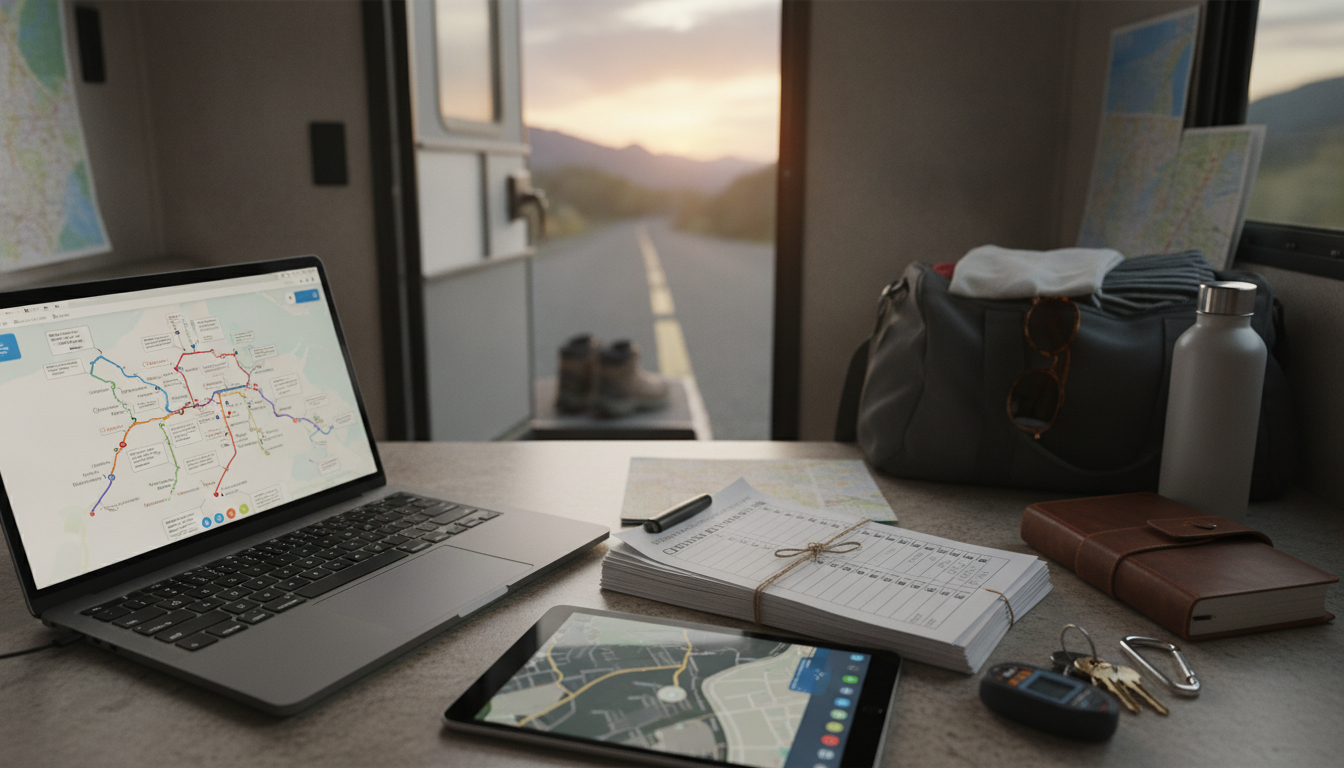
Road Trip Prep Made Easy: A Practical Checklist for Car, Packing, and Travel Planning
A smooth road trip starts before the engine turns over. The right prep reduces roadside surprises, keeps passengers comfortable, and helps the route stay flexible without feeling chaotic. Use the structured checklist below to cover car readiness, documents, packing, safety, and day-by-day planning for both family trips and solo drives.
Set the trip basics before making a list
Before packing a single item, get the non-negotiables set. This keeps planning realistic and prevents the “we’ll figure it out” approach from turning into late-night driving or missed check-ins.
- Lock in the “must-arrive” moments first: reservations, events, work deadlines, or check-in windows that can’t move.
- Choose a realistic daily driving range based on who’s riding: shorter blocks with more breaks for kids; longer but safer daylight-focused blocks for solo drivers.
- Decide what kind of trip it is: fast point-to-point, scenic detours, national parks loop, or city-hopping—this determines packing and vehicle needs.
- Sketch a loose plan: primary route, one alternative route, and a short list of optional stops that can be dropped without stress.
- Plan for energy management: time zone changes, meal timing, and a “hard stop” time each day to avoid driving tired.
Car preparation checklist (do this 7–10 days out)
Give yourself a week (or more) so any maintenance doesn’t become a last-minute scramble. AAA’s pre-trip inspection checklist is a helpful reference if you want a second set of prompts.
- Tires: check tread, inspect sidewalls for cracks or bulges, confirm pressure (including spare) when tires are cold, and verify the jack and lug wrench are present and usable.
- Fluids: confirm oil level and service interval; top off washer fluid; check coolant level; inspect brake fluid level; address any leaks before departure.
- Battery and charging: test the battery if it’s older or has struggled in cold/heat; ensure terminals are clean; pack a reliable phone charger and consider a jump starter for remote routes.
- Brakes and lights: listen for squealing or grinding; test headlights (low/high), turn signals, brake lights, and hazards.
- Wipers and visibility: replace streaking wipers; clean interior windshield to reduce glare; pack microfiber cloths for quick visibility fixes.
- Comfort and safety: confirm A/C and heat work; check seat belts; verify child seats are correctly installed and sized for each child.
- Roadside readiness: set up a basic kit—reflective triangles, flashlight, gloves, blanket, first aid, tire inflator, and a small tool kit.
| When | What to check | Why it matters |
|---|---|---|
| 10–7 days before | Tires, fluids, brakes, battery | Gives time for repairs and parts |
| 3–2 days before | Wipers, lights, spare tire, roadside kit | Reduces last-minute surprises |
| Morning of departure | Tire pressure, fuel level, mirrors, load security | Prevents avoidable delays on day one |
Documents, payments, and digital backups
These items don’t take much space, but they prevent the biggest headaches.
- Carry required documents: driver’s license, registration, proof of insurance, and any permits needed for parks or toll programs.
- Create digital backups: store photos/scans of key documents in a secure folder accessible offline when possible.
- Payment plan: keep a mix of cards and a small amount of cash for rural areas, tips, or card-reader outages.
- Emergency contacts: add “ICE” (In Case of Emergency) contacts in the phone and write them on a small card in the glove box.
- Navigation redundancy: download offline maps for the route and key stop areas; write down essential addresses in case of phone loss or dead battery.
Packing checklist that prevents overpacking
Overpacking is usually a system problem, not a willpower problem. Organize by access level so the items you need most aren’t buried under “just in case” gear.
Plan the drive day-by-day (without over-scheduling)
Safety habits that matter most on long drives
Small choices add up over hundreds of miles. The basics are also the most effective: rest, restraints, and weather awareness. For a deeper look at fatigue risk, NHTSA’s guidance on drowsy driving is worth reviewing, and the CDC also shares practical road safety considerations at its road safety hub.
Family-friendly tweaks (kids, teens, and multi-driver trips)
Solo road trip tweaks (efficiency and peace of mind)
A ready-to-use planning pack for repeatable trips
- Road Trip Prep Made Easy – Ultimate Road Trip Checklist, Car Preparation Guide, Travel Planning eBook, Family & Solo Travel Digital Download (digital planning pages for timelines, routes, stops, and budgets).
- Am I Perfect No Spiral Notebook – Funny Notebook – Best Design Notebook (handy for quick notes: mile markers, reservation numbers, and “next stop” expectations for kids).
- Flying Solo: The Ultimate Guide to Mastering Solo Sports | A Practical Guide Exploring Solo Sports Pros and Cons for Independent Athletes (a practical add-on read for independent travelers who like building confident solo routines).
FAQ
What should be checked on a car before a long road trip?
Check tires (including the spare), fluids, battery health, brakes, lights, and wipers, and confirm your HVAC works well. Aim to do the major inspection 7–10 days ahead so there’s time for service if anything looks off.
How do you plan a road trip itinerary without over-planning?
Pick one anchor stop per day, build a 20–30% time buffer, and keep optional stops truly optional. A simple morning/midday/afternoon structure helps you finish driving early without turning the trip into a rigid schedule.
What are the most important items to pack for a road trip?
Start with documents, water, snacks, chargers, first aid and medications, weather layers, and hygiene supplies you can reach quickly. A zone-based packing system (daily essentials, overnight gear, rarely used items) prevents overpacking and makes the car easier to live out of.