Safe Dog Playdates: Calm Introductions & Happy Play
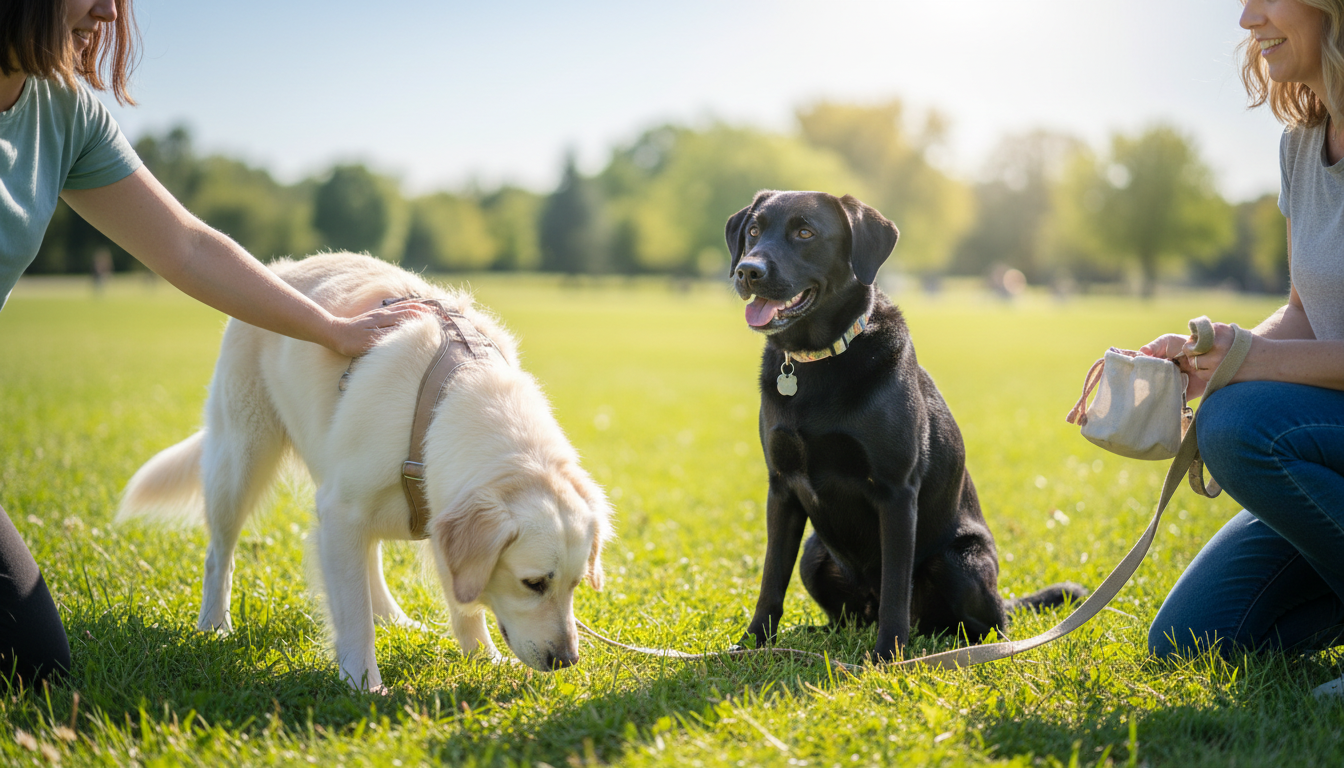
Tails in Sync: Safe Dog Playdates With Calm Introductions and Happy Social Time
A good dog playdate looks effortless, but it’s built on smart planning: choosing the right partner, setting up the space, reading body language, and stepping in early before excitement becomes conflict. The goal isn’t nonstop wrestling—it’s relaxed, safe social time where both dogs can disengage, sniff, explore, and take breaks. This guide lays out simple rules for screening, introductions, supervision, and recovery so play stays friendly and predictable. Use it to reduce scuffles, prevent overwhelm, and help dogs build confidence around other dogs—whether the playdate happens in a fenced yard, a quiet park area, or indoors on a rainy day.
What Makes a Playdate “Safe” and Worth Doing
Safe playdates are less about “perfect manners” and more about predictable, mutual interaction. The best sessions look a little boring on purpose: short bursts of play, lots of sniffing, and easy breaks.
- Compatibility matters: look for similar energy and play intensity. Size can be flexible if the bigger dog consistently self-handicaps (gentler mouth, slower movement).
- Pauses and recovery: both dogs should be able to stop and return to calm within seconds.
- Setup supports success: controlled space, minimal surprises, and no high-value items left out.
- Active supervision: handlers watch body language, enforce breaks, and end early if stress climbs.
- Short can be “successful”: 10–20 minutes is often ideal for puppies, cautious dogs, and excitable adolescents.
Before You Meet: Screening Questions That Prevent Bad Matches
A quick pre-playdate chat prevents most “it escalated out of nowhere” moments. You’re not judging the other dog—you’re looking for fit.
- Health and prevention: confirm appropriate vaccinations for your area and parasite prevention, and reschedule if either dog has been ill.
- Behavior history: ask about resource guarding, leash reactivity, fear of certain dog types, and any bite or fight history.
- Play preferences: some dogs love chase, others prefer parallel sniffing; many dislike body slams or intense face-to-face greetings.
- Age and stamina: puppies can overwhelm; seniors may want gentle, brief interaction; high-drive teens need structured breaks.
- House rules: agree on what’s allowed (mounting, roughhousing, vocal play), how you’ll interrupt, and what “we’re done” looks like.
- Logistics: pick a neutral meeting spot and avoid small, cluttered spaces for first meetups.
Set the Scene: Space, Gear, and Common Mistakes
The environment can either lower everyone’s arousal—or crank it up fast. Aim for simple and spacious.
- Choose low distraction: a quiet yard, empty tennis court, or wide park corner; skip busy dog parks for first introductions.
- Remove triggers: put away food, chews, favorite toys, and anything a dog might guard; clear indoor pathways.
- Use basic management tools: sturdy collars or harnesses, 6-foot leashes for arrival/departure, and baby gates for indoor decompression.
- Avoid tight entry greetings: narrow doorways and gates create pressure and can spark snapping.
- Plan a break zone: a porch, separate room, or penned area where one dog can settle without being followed.
Calm Introductions: A Step-by-Step First Meeting
First impressions matter. Calm, curved approaches reduce social pressure and give dogs choice.
Reading the Room: Body Language That Says “Keep Going” vs “Take a Break”
For more on canine signals, the RSPCA’s dog body language guide is a helpful reference.
Rules During Play: Breaks, Interruptions, and Fairness
| Item | Ready when… | What to adjust if not ready |
|---|---|---|
| Environment | Secure space, low distractions, clear exits | Choose a quieter location; remove toys/food; add gates or barriers |
| Dog A body language | Loose posture, can look away, responds to name | Increase distance; shorten session; add parallel walking |
| Dog B body language | Approaches in curves, pauses, offers play signals | Pause greetings; give more space; end if fear increases |
| Play balance | Role swaps and both re-initiate | Add breaks; redirect to calm sniffing; end if one dog overwhelms |
| Human control | Both handlers agree on rules and can interrupt | Decide signals, practice recalls, use managed separation zones |
If Something Goes Wrong: De-escalation and When to End the Playdate
Behavior guidance from the American Veterinary Society of Animal Behavior (AVSAB) and the ASPCA’s overview of aggression can help you recognize when the situation is beyond a casual playdate.
Building Better Playdates Over Time
For a repeatable routine you can follow every time, keep a structured guide on hand: Tails in Sync: Safe Dog Playdates | Ultimate Guide to Playdates for Dogs Rules, Calm Introductions & Happy Social Time.
If you like writing down what worked (and what didn’t), a dedicated notes spot can make patterns obvious after just a few sessions: Am I Perfect No Spiral Notebook – Funny Notebook – Best Design Notebook.
FAQ
How long should a first dog playdate be?
Plan for 10–20 minutes with built-in breaks, and end on a calm note while both dogs are still doing well. Only extend the time if both remain loose, balanced, and able to disengage easily.
Is growling always a bad sign during play?
No—some dogs use playful vocalizations during normal, bouncy play. What matters is the whole picture: loose bodies, role swaps, and the ability to pause; tense posture, hard staring, and inability to disengage are red flags.
Should dogs meet on-leash or off-leash first?
Start with parallel on-leash walking at a comfortable distance, then do brief curved greetings and call away. Move to off-leash only in a secure area once both dogs are relaxed and showing soft, social body language.