Stress Acne Timeline: When Breakouts Show Up (0–6 Weeks)
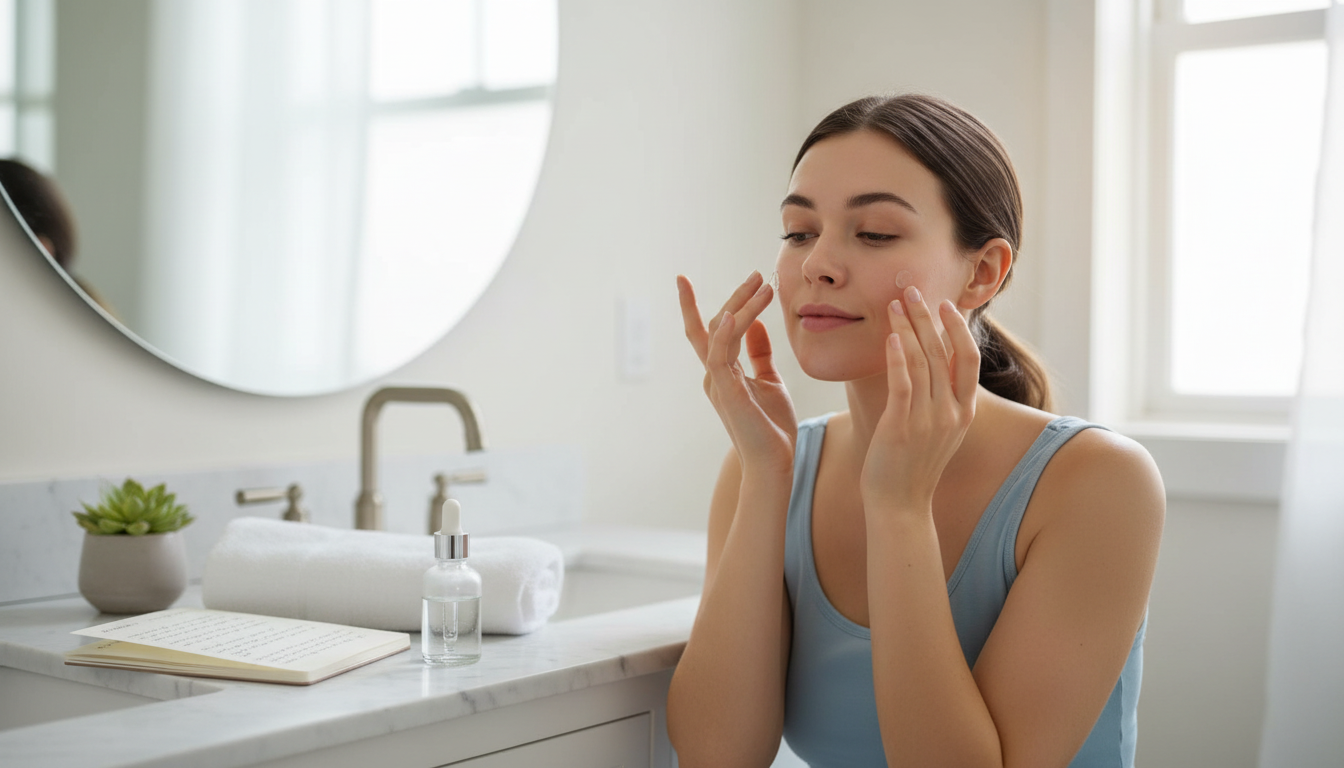
Acne and Stress Timing: How Stress Triggers Map to Breakout Patterns
Stress can worsen acne, but the most confusing part is often timing: breakouts may appear hours, days, or even weeks after a stressful event. Understanding how different stressors affect hormones, inflammation, sleep, and skin behaviors helps connect the dots between what happened and when pimples show up. This guide breaks down common timing windows, how to track patterns, and practical ways to reduce stress-related flare-ups without guessing.
Why timing matters more than a single stressful moment
“Stress acne” isn’t one mechanism with one predictable delay. Stress can influence breakouts through multiple pathways—hormonal signaling, inflammation, skin barrier shifts, microbiome changes, and day-to-day behaviors—and each pathway has its own timeline. That’s why two people can live through the same stressful event and see different skin outcomes (or none at all).
Timing also helps separate coincidence from pattern. A breakout after a rough day might be related, but it might also be driven by a new product, missed cleansing, menstrual cycle changes, or friction from masks/helmets. When the same delay keeps repeating—like “I break out 2–3 days after I sleep poorly”—that’s a stronger clue than any single stressful moment.
In general, short, acute stress tends to trigger faster changes (temporary oiliness, flushing, more face touching, more picking), while chronic stress shows up as slower, stubborn inflammation and slower healing. Many people also get a “stacking” effect: several smaller stressors across a week (deadlines, social tension, poor sleep, skipped workouts) add up, then the skin flares all at once.
For a deeper, structured way to connect timing windows with practical next steps, consider Acne and Stress Timing – A Practical Guide to Understanding acne and stress timing, Stress Triggers, and Breakout Patterns.
Common stress-to-breakout timelines (and what they usually mean)
Same day (0–24 hours)
This window often looks like “my skin got angry fast”: more oiliness, redness, and visible irritation. It’s frequently worsened by touching your face, sweating, friction, late-night eating, or trying a new active when you already feel run-down.
1–3 days
This is a common delay after sleep loss, travel stress, caffeine spikes, or a demanding work/school cycle. You may notice more inflamed papules/pustules—especially if your routine got inconsistent (missed cleansing, skipped moisturizer, forgot treatment).
4–10 days
A week-ish delay often points to prolonged stress load and barrier strain. Deeper, more painful bumps can surface as inflammation builds. Healing may feel slower, and existing blemishes may stay red longer than usual.
2–6 weeks
Use the window as a clue
If breakouts reliably occur at one specific delay, treat that delay like a diagnostic hint: same-day issues often involve behavior/irritation; 1–3 days often involves sleep and routine disruption; 4–10 days often suggests barrier + inflammation; 2–6 weeks leans toward chronic stress and hormonal patterning. Stress can raise cortisol, which interacts with other hormones and body systems (learn more from the Cleveland Clinic overview of cortisol), and the skin can respond in layered ways.
Stress timing guide: likely triggers and what to do next
| Time to breakout | Common stress-related drivers | Typical breakout pattern | Practical next step |
|---|---|---|---|
| 0–24 hours | Face touching, sweat, irritant skincare, acute cortisol/adrenaline spike | Redness, small bumps, worsened texture | Gentle cleanse after sweating; avoid new actives; hands-off rule |
| 1–3 days | Short sleep, travel, caffeine spikes, altered routine | Inflammatory pimples around jaw/cheeks or T-zone | Prioritize sleep recovery; simplify routine; spot treat consistently |
| 4–10 days | Prolonged stress load, barrier impairment, ongoing inflammation | Tender papules/nodules; slower healing | Barrier-first care (moisturizer + sunscreen); reduce over-exfoliation |
| 2–6 weeks | Chronic stress, hormonal shifts, ongoing behavior changes | Cyclical flares; multiple lesions at once | Track patterns; consider dermatologist evaluation if persistent |
Stress pathways that influence acne (and how they show up on skin)
Hormonal signaling
Inflammation
Psychological stress is associated with systemic inflammatory changes that can amplify redness and swelling and make blemishes linger. The American Academy of Dermatology Association notes that stress can affect the skin in multiple visible ways, including worsening certain skin conditions.
Skin barrier disruption
Microbiome shifts
Behavioral loops (the hidden drivers)
How to identify personal stress-breakout patterns without overtracking
If you prefer a dedicated place to track your daily scores and tags, Am I Perfect No Spiral Notebook – Funny Notebook – Best Design Notebook can work as a simple, low-friction logbook you actually stick with.
Fast actions for acute stress days (to prevent a next-week flare)
When stress timing overlaps with other cycles
Menstrual cycle timing
Illness and inflammation
Seasonal changes
Work/school rhythms
When to get help and what to bring to an appointment
A structured workbook approach to stress timing and breakouts
For a ready-made framework that keeps the focus on timing and actionable next steps, see Acne and Stress Timing – A Practical Guide to Understanding acne and stress timing, Stress Triggers, and Breakout Patterns.
FAQ
Can stress cause acne the next day?
Yes. Acute stress can worsen oiliness and inflammation and also increases behaviors like touching or picking, so pimples may appear within 24–72 hours—especially when sleep is disrupted.
Why do I break out a week after a stressful event?
A 4–10 day delay often points to sustained inflammation, barrier strain, and routine changes that take time to surface as inflamed lesions. It can also reflect “stress stacking” over several days rather than a single event.
How can I tell stress acne from irritation or purge?
Stress-related flares often follow a repeatable timing window and show as inflamed pimples. Irritation usually feels burning or tight with diffuse redness, while purging typically begins after starting an active and clusters where acne commonly forms.