Macros Made Easy for Fat Loss: Simple Beginner System
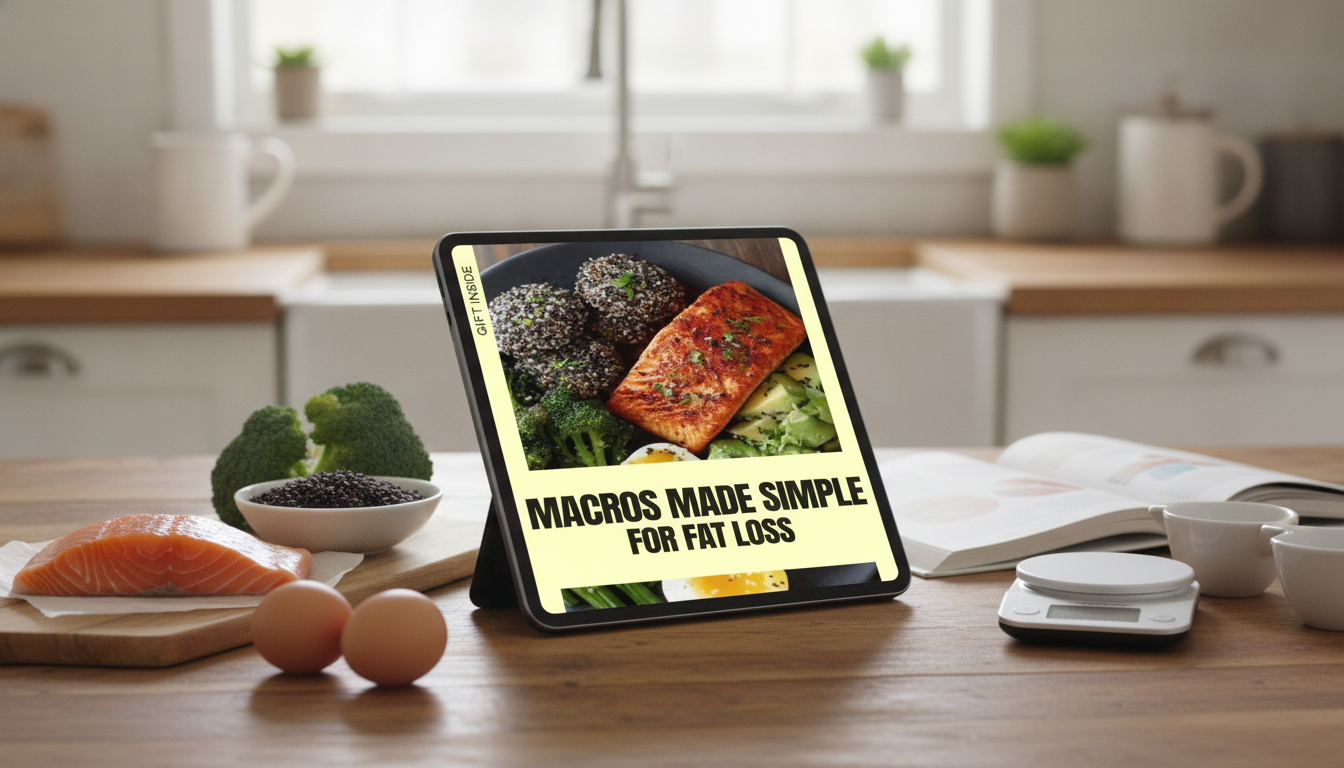
Macros Made Simple for Fat Loss: A Beginner-Friendly Way to Count Macros Without the Stress
Counting macros can feel overwhelming at first—especially when fat loss is the goal and every app, calculator, and plan seems to say something different. The simplest way to make macros work is to use a clear, repeatable process: set a realistic calorie target, choose macro ranges that fit your lifestyle, build meals you actually enjoy, and adjust based on weekly progress (not daily fluctuations). When the system is easy to repeat, it’s easier to stay consistent—and consistency is what drives results.
What “macros” are and why they matter for fat loss
“Macros” (macronutrients) are the three main nutrients that provide calories: protein, carbohydrates, and fat. Fat loss still comes down to a calorie deficit, but macros influence how that deficit feels day to day—your hunger, energy, training performance, and how well you preserve muscle while dieting.
- Protein supports fullness and helps retain lean mass in a deficit.
- Carbs often support training quality, mood, and everyday energy.
- Fats support satisfaction, food enjoyment, and nutrient absorption.
Macro counting is a tool—not a rulebook. Hitting targets “close enough” most days beats chasing perfect numbers and burning out.
Start with calories: the simplest foundation
Before dialing in macro targets, start with a calorie target you can repeat. A moderate deficit is usually the sweet spot: it’s large enough to see progress, but not so aggressive that hunger and fatigue push you into “all-or-nothing” eating.
- Choose a deficit that feels sustainable; extreme cuts often backfire.
- Track progress with a weekly average (body weight fluctuates from water, sodium, stress, and digestion).
- If your target feels unlivable, change the plan instead of “pushing through” until you quit.
For food logging accuracy and nutrition info, tools like USDA FoodData Central can help confirm calories and macros for common foods.
A beginner macro setup that works for most people
A practical beginner setup is: set protein first, set fat next, then let carbs fill the remaining calories. This creates structure without locking you into rigid numbers.
| Macro | Primary benefit during fat loss | Simple starting range | Beginner-friendly food examples |
|---|---|---|---|
| Protein | Fullness and muscle retention | 0.7–1.0 g per lb of goal body weight (or 1.6–2.2 g/kg) | Chicken, Greek yogurt, eggs, tofu, lean beef, protein shakes |
| Fat | Satisfaction and nutrient absorption | 20–35% of daily calories | Olive oil, avocado, nuts, salmon, cheese, nut butter |
| Carbs | Training fuel and energy | Remainder of calories after protein and fat | Rice, oats, potatoes, fruit, beans, whole-grain bread |
To reduce tracking fatigue, use ranges instead of exact targets (example: protein ±10g, carbs ±15–25g, fat ±5–10g). The goal is a routine you can live with, not a daily math test.
How to count macros in 6 steps (without getting obsessive)
- Step 1: Pick one tracking method—an app, a spreadsheet, or a simple food log—and stick with it for 2 weeks.
- Step 2: Set protein and fat targets first; calculate carbs from remaining calories.
- Step 3: Build 2–3 repeatable breakfasts and lunches that make protein easy to hit.
- Step 4: Measure the foods that cause the biggest errors (oils, nut butters, snacks, cereal). Eyeball the rest as your skills improve.
- Step 5: Track what you actually eat—including bites, tastes, drinks, and cooking oils.
- Step 6: Adjust using weekly trends. Change one variable at a time (usually calories or carbs/fats) and keep protein steady.
For healthy weight loss pacing and basics, the NIH guidance on aiming for a healthy weight is a helpful reference point.
Meal-building shortcuts: hit macros with less math
Macro counting gets easier when meals are built from repeatable “parts,” not random combinations every day.
- Use a protein anchor: Aim for about 25–40g protein per meal (many beginners find this range practical).
- Add high-volume sides: Vegetables, fruit, broth-based soups, and salads can make a deficit feel easier.
- Pick a carb style that fits your routine: higher carbs on training days, lower carbs on rest days, or keep carbs steady for simplicity.
- Keep a short swap list: leaner protein cuts, lower-fat dairy, higher-fiber carbs, and pre-portioned snacks.
If you want an extra credibility check on safe, sustainable approaches, the Academy of Nutrition and Dietetics guidance on healthy weight loss is a solid overview.
Common mistakes that stall progress (and quick fixes)
A simple 2-week adjustment checklist
A practical next step: a beginner eBook that lays it out clearly
If you want a straightforward plan you can follow day to day, Macros Made Simple for Fat Loss: Easy Guide on How to Count Macros for Weight Loss eBook for Beginners is built around simple targets, easy tracking, and small adjustments when progress slows.
Pairing a clear macro plan with a basic written log can make patterns obvious—especially around weekends, snacks, and “little extras.” For a lightweight way to keep notes, meals, and weigh-in trends in one place, try the Am I Perfect No Spiral Notebook – Funny Notebook – Best Design Notebook.
FAQ
Is counting macros better than just counting calories?
Calories drive fat loss, but macros can make a calorie deficit easier to stick to by improving fullness, energy, and muscle retention. Many people find that setting protein first and letting carbs/fats flex improves consistency.
How long should macros be tracked before making changes?
Use a consistent routine for 10–14 days and look at weekly weight trends rather than daily scale changes. When you adjust, change one variable at a time so you can tell what actually worked.
Do carbs prevent fat loss?
No—carbs don’t block fat loss by themselves; overall calorie balance matters most. Carbs can support training performance and adherence when portions and food choices fit your calorie target.











Leave a comment
You must be logged in to post a comment.