AI Workout Plans: When They Work (and When They Don’t)

Does AI give good workout plans?
AI can give good workout plans when it’s used as a smart starting point—and when the inputs are accurate. A well-built AI plan can organize exercises, set progressive overload, and match sessions to your schedule faster than most people can do on their own. It’s especially helpful for building structure: choosing a split (full-body, upper/lower, push-pull-legs), balancing muscle groups, and mapping weekly volume.
The quality depends on what the AI knows about you. The best results happen when you provide clear details like training age, current lifts, available equipment, injuries, time per session, and primary goal (fat loss, strength, hypertrophy, endurance). If those details are missing, AI may generate something that looks polished but doesn’t fit your recovery, technique level, or reality of your week.
When AI workout plans work best
AI plans shine for beginners and intermediates who need consistency and a repeatable progression. They’re also useful for people who want variety without randomness—rotating movements while keeping the same patterns (squat/hinge/push/pull/carry) and tracking weekly progress. Many AI tools can adjust sets, reps, and intensity based on your feedback, which can make training feel more personalized over time.
Where AI can miss the mark
AI may overlook red flags like chronic pain, post-surgery limitations, or technique issues that require hands-on coaching. It can also underestimate recovery needs, stacking too much intensity or too many hard sets. And it can’t watch your form—so an “optimal” plan is only safe if you already know how to perform the movements correctly.
How to use AI safely and effectively
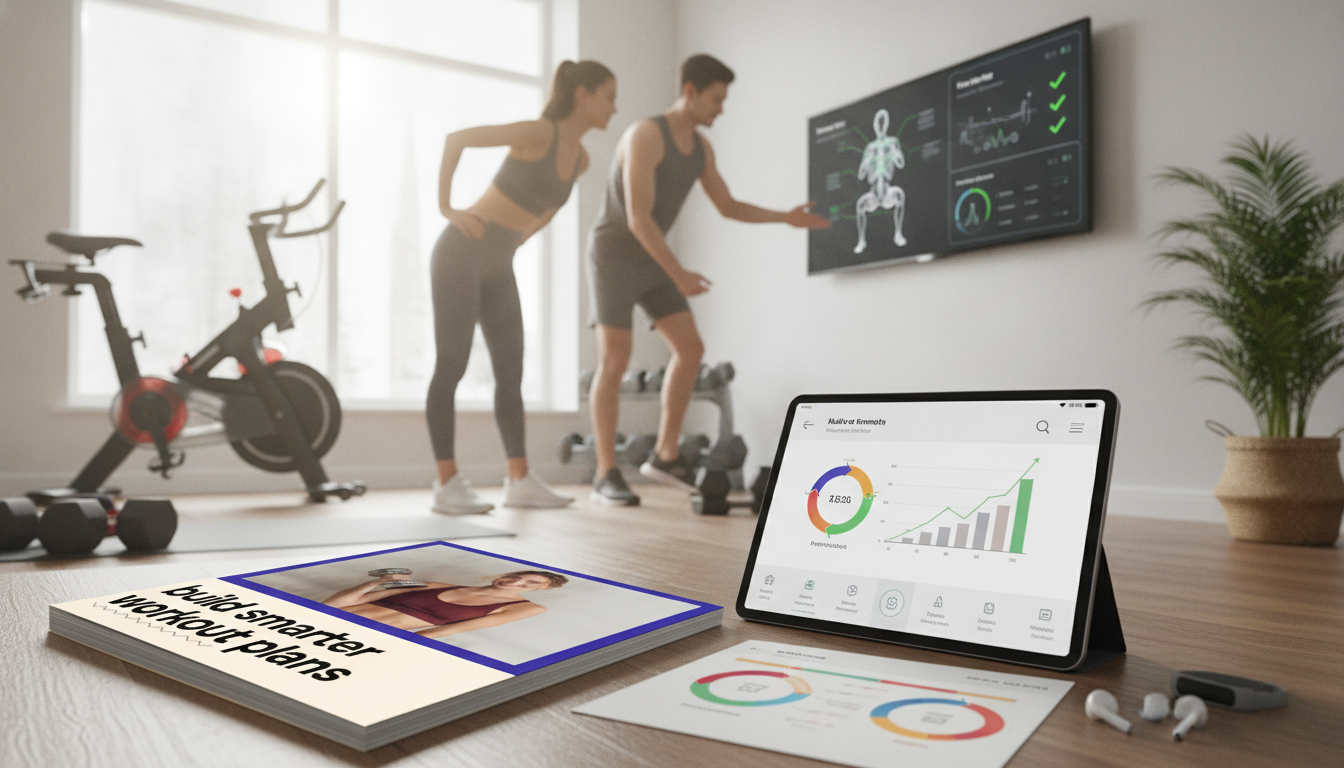
Use AI to draft the plan, then sanity-check it: does it fit your schedule, include warm-ups, allow rest days, and progress gradually? Track performance and soreness, and adjust volume before adding intensity. For a deeper walkthrough on building smarter, more personalized programming, visit this guide to smarter AI workout plans.
FAQ
How do I customize an AI workout plan for my goals?
Provide your goal, training history, weekly availability, equipment list, and any injuries, then ask for a progression method (like adding reps, load, or sets over time). Reassess every 2–4 weeks using your logged workouts and recovery to refine volume and intensity.










Leave a comment
You must be logged in to post a comment.